

 English
 عربى


Industry News
Home / News / Industry News / Textile Finishing Auxiliaries Explained: Types, Functions and Selection Guide
Textile Finishing Auxiliaries Explained: Types, Functions and Selection Guide
2026-10-30
Content
Textile finishing is where a fabric's true character comes to light. The products used at this stage, collectively known as textile finishing auxiliaries, decide whether a piece of cloth feels crisp or plush, shelters from rain or soaks it up, and stays fresh through months of use or loses its charm after a few washes. For mills and fabric developers, choosing the right finishing auxiliary is not just a technical detail. It is a direct factor in product quality, production efficiency and the final value of every meter of fabric.
What Are Textile Finishing Auxiliaries?
Textile finishing auxiliaries are specialty chemicals applied to fabric after dyeing or printing. They are typically padded, exhausted, coated or sprayed onto the textile, then fixed with heat or a binder system. Their job is to alter the surface and structure of the fiber so that the fabric meets a specific aesthetic, tactile or performance requirement.
Finishing auxiliaries sit at the end of the wet processing chain, but their influence is far from small. A softener can change the drape of a woven shirting. A water repellent can make a lightweight nylon shell genuinely rainproof. An antibacterial agent can keep a sports jersey odor-free through a long training session.
It helps to think of them as the final signature on a fabric. Pretreatment and dyeing chemistry prepare the canvas and set the color; finishing chemistry decides how the finished article will actually feel and behave in the hands of the consumer.
Main Types of Textile Finishing Auxiliaries
Finishing auxiliaries cover a wide range of effects, and most products can be grouped by the result they deliver. The table below summarizes the categories that appear most often in a modern finishing house.
| Category | Primary Function | Typical Applications |
|---|---|---|
| Softening agents | Improve softness, smoothness and drape | Knitwear, denim, towels, home textiles |
| Water and oil repellents | Create a protective barrier against liquids | Outerwear, workwear, upholstery |
| Antistatic agents | Reduce electrostatic charge build-up | Synthetic apparel, carpets, cleanroom fabrics |
| Antibacterial agents | Inhibit bacterial growth and odor | Sportswear, medical textiles, bedding |
| Flame retardants | Slow ignition and reduce flame spread | Protective clothing, curtains, public seating |
| Anti-pilling agents | Minimize surface fuzz and pill formation | Wool blends, polyester knits |
| Moisture management agents | Improve wicking and quick-dry behavior | Activewear, base layers |
| Anti-yellowing agents | Prevent discoloration during storage | White goods, nylon apparel |
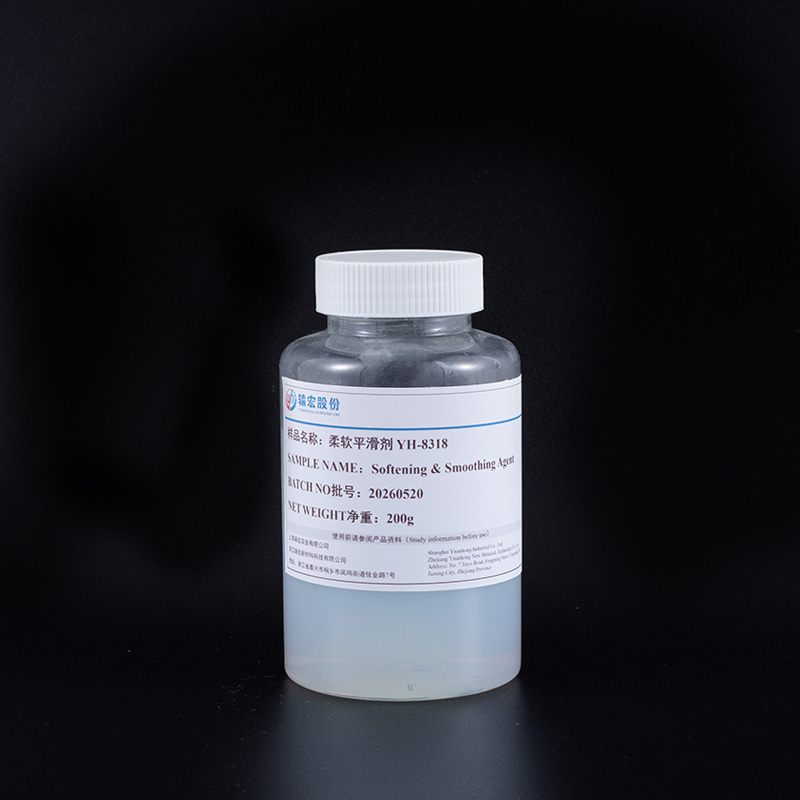
Softening is the most universal of all finishing steps. A well-chosen softener does more than make fabric pleasant to touch; it also improves sewing behavior, crease recovery and overall comfort. Our hydrophilic softening finishing agent YH8010, for example, delivers a soft, airy hand while keeping the fabric absorbent, which makes it a regular choice for towels and apparel that need comfort and moisture pickup together.
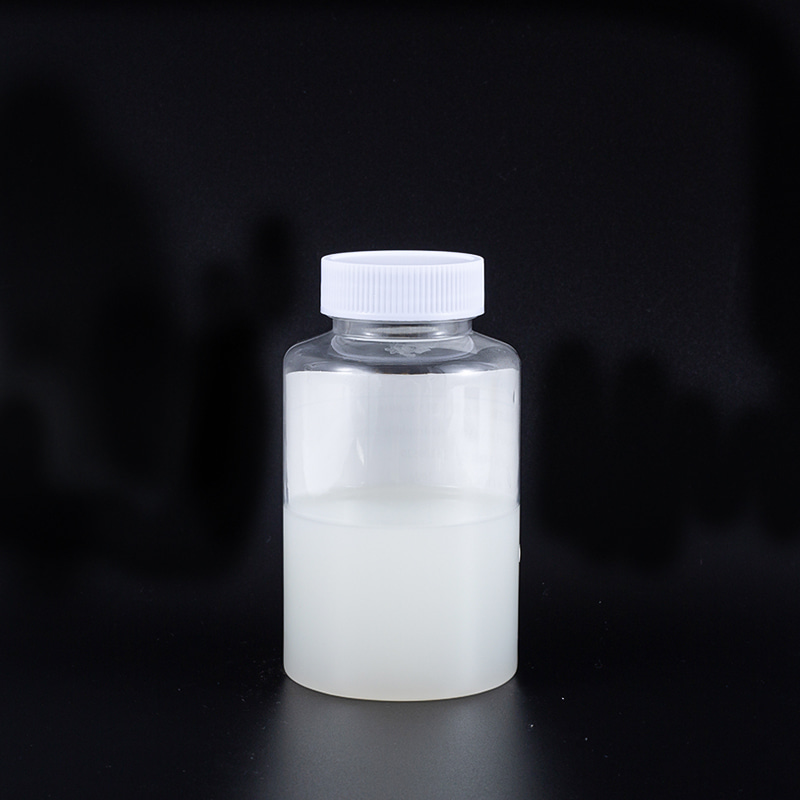 Hydrophilic Softening Agent YH-8010 for Absorbent FabricsIdeal for towels and apparel needing softness with moisture pickup, this cationic softener improves hand feel, sewing behavior, and crease recovery without yellowing.View Product →
Water repellency has moved far beyond raincoats. Modern C6 and fluorine-free systems are used on outdoor gear, workwear and upholstery, where protection must be balanced with breathability. Fluorine-free water repellent YH433 is one such product. It gives durable water repellency without fluorinated chemistry, helping brands meet environmental commitments while keeping the fabric comfortable to wear.
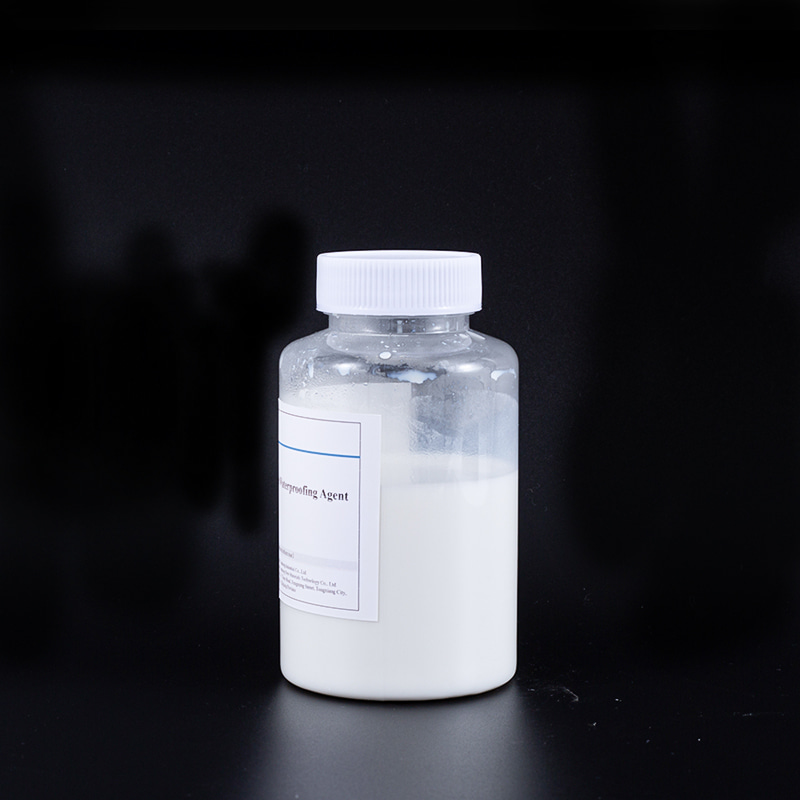 Fluorine-Free Water Repellent YH-433 for Outdoor and ApparelThis durable water repellent provides high-performance protection on pile fabrics and high-end textiles while meeting environmental standards by avoiding fluorinated chemistry.View Product →
Antibacterial finishing has also entered the mainstream, driven by demand in sportswear, medical textiles and hospitality. A broad-spectrum antibacterial agent such as YH816 protects against a wide range of bacteria without compromising the fabric's original hand feel or breathability.
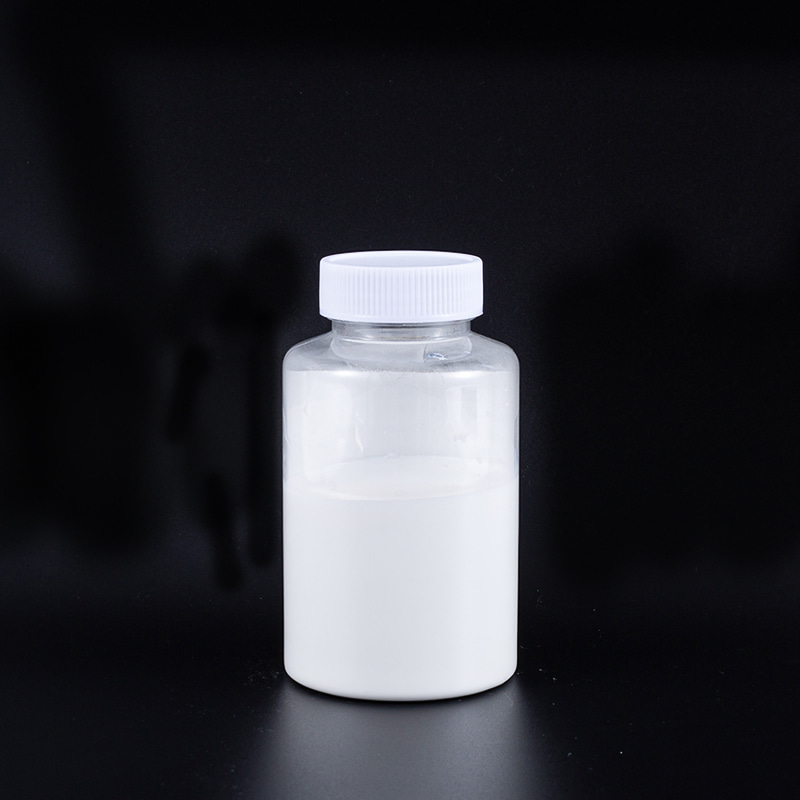 Broad-Spectrum Antibacterial Agent YH-816 for Textile ProtectionSuitable for sportswear and medical textiles, this agent guards against bacteria, mold, and yeast while preserving fabric hand feel, breathability, and durability.View Product →
Functional Finishing for Performance Fabrics
In performance textiles, finishing auxiliaries rarely work alone. A modern outdoor jacket might combine a durable water repellent with a moisture management finish. An activewear top might pair antimicrobial protection with quick-dry technology. A car seat fabric could need both flame retardancy and anti-yellowing stability.
The skill lies in building a compatible recipe. Some finishes interfere with each other. Some require a specific curing temperature. Some must be applied in a particular order. That is why experience matters as much as chemistry. Over the years, we have helped customers combine functional finishes on everything from high-stretch athleisure to heavy upholstery, and the same principle always applies: understand the fiber, the end use and the process window before choosing the chemistry.
Because our range covers the whole finishing spectrum - from softeners and water repellents to antistatic, anti-pilling, flame-retardant and moisture-management products - mills can often source an entire finishing recipe from one partner. That simplifies quality control and makes troubleshooting much easier when a new fabric is being developed.
How to Choose the Right Textile Finishing Auxiliary
With so many options available, how does a mill choose the right textile finishing auxiliary? In our experience, the answer comes down to four questions:
- What is the substrate? Fiber type, yarn count and fabric construction all influence how a finish is absorbed and fixed. Nylon, polyester, cotton and wool each behave differently with the same chemistry.
- What is the performance target? Be specific. "Softer hand" and "oil repellency after 20 home launderings" are very different goals, and the second one requires a much more carefully engineered product.
- What is the process window? Padding pickup, drying temperature, curing time and machine type all affect the result. A finish that works on a stenter may not perform the same way on a jigger or a jet.
- What are the compliance requirements? Brands increasingly ask for ZDHC-compliant chemistry, restricted substance lists and eco-labels. Choosing a product that already meets these standards saves months of revalidation later.
Once these questions are answered, the product selection becomes much more precise. If you are reviewing your current options, our textile finishing auxiliaries range covers the main categories under one roof, and our technical team can help match a product to a specific fabric and machine.
Sustainability in Textile Finishing
Sustainability is no longer a buzzword in textile finishing; it is a purchasing requirement. The industry has moved clearly away from fluorinated chemistry, formaldehyde-based resins and other substances that carry environmental or health concerns. Fluorine-free water repellents, formaldehyde-free fixing agents and bio-based softeners are now well-established alternatives that perform close to, or sometimes better than, their conventional counterparts.
At Yuanhong, much of our product development has been built around this change. The company is actively working toward ZDHC membership, and many formulations - including the fluorine-free repellents and aldehyde-free products in our range - were designed with the ZDHC guidelines in mind from the start. For a mill, this means adopting more sustainable finishes no longer requires a compromise on performance. The green transformation happening across the textile chemicals industry is real, and suppliers who have prepared for it can make the transition smoother for their customers.
Textile finishing auxiliaries are where chemistry meets craftsmanship. They give a fabric its final personality, turning a basic textile into a product that consumers enjoy wearing and living with. By choosing the right finishing chemistry, understanding the process and planning for sustainability, mills can turn the last step of production into one of their greatest competitive advantages.
-

4th Floor, Building A, Zhifu Building, No. 959 Qingfeng North Road, Tongxiang City, Jiaxing City, Zhejiang Province, China
-

135049973@qq.com
-

+86-13774367399
+86-19818384913

Products
Get In Touch
If you have any questions about our products, please feel free to contact us.
Copyright © Shanghai Yuanhong Industrial Co., Ltd. All Rights Reserved
Wholesale Textile Auxiliaries Chemicals Manufacturers
