

 English
 عربى


Industry News
Home / News / Industry News / Textile Auxiliaries Chemicals Guide: Functions, Selection & Sustainability
Textile Auxiliaries Chemicals Guide: Functions, Selection & Sustainability
2026-10-30
Content
- 1 What Are Textile Auxiliaries Chemicals?
- 2 Pretreatment: The Foundation of Smooth Processing
- 3 Dyeing Auxiliaries: Where Control Matters Most
- 4 Finishing Auxiliaries: Building Hand Feel and Performance
- 5 Functional Textile Auxiliaries: Moving Beyond Comfort
- 6 Choosing the Right Textile Auxiliaries Chemicals
- 7 Sustainability and Chemical Management
- 8 Final Thoughts
Anyone who has spent time in a dyehouse knows that textile auxiliaries chemicals are the quiet workhorses of wet processing. They are not the fibers that make a fabric, nor the dyes that give it color, but without them, modern textile manufacturing would be slower, less reproducible, and far more wasteful. At our company, we have spent years developing and supplying these products, and this article covers what they are, how they work, and what to consider when choosing them.
What Are Textile Auxiliaries Chemicals?
Textile auxiliaries chemicals are specialty chemicals added during wet processing to improve process efficiency and fabric quality. They include wetting agents, detergents, scouring agents, leveling agents, dispersants, fixing agents, softeners, and many others. Most auxiliary products are built on surfactant chemistry, while a smaller portion relies on polymers, waxes, or reactive compounds to deliver a specific function.
Because these products are used at different process stages, suppliers usually organize them by their position in the dyeing and finishing sequence. The table below summarizes the four broad groups.
| Category | Typical Role | Process Stage |
|---|---|---|
| Pretreatment auxiliaries | Remove oils, waxes, and impurities | Desizing, scouring, degreasing |
| Dyeing auxiliaries | Control pH, improve levelness, fix color | Exhaust and continuous dyeing |
| Finishing auxiliaries | Soften, add repellency, reduce static, raise surface | After dyeing, heatsetting, final finish |
| Functional auxiliaries | Add antibacterial, flame retardant, UV, cooling properties | Final finishing |
Pretreatment: The Foundation of Smooth Processing
Every successful dyeing starts with clean fabric. Natural fibers carry waxes and pectins, while synthetic fibers carry spin finishes and knitting oils. If these impurities remain, dye uptake becomes uneven and the fabric can develop streaks, blotches, or poor hand feel.
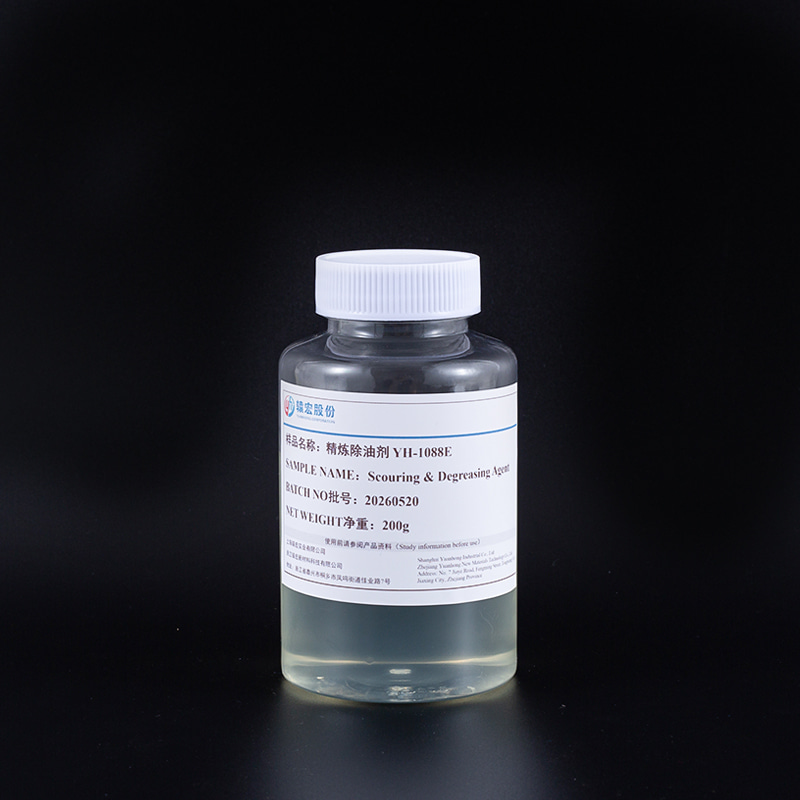
Pretreatment auxiliaries such as emulsifying detergents, scouring agents, and degreasers are formulated to remove these impurities quickly without damaging the fiber. For nylon and spandex blends, the challenge is often greater because the fibers are loaded with heavy lubricants. A specialized textile scouring and degreasing agent can make the difference between a clean base and a problem lot.
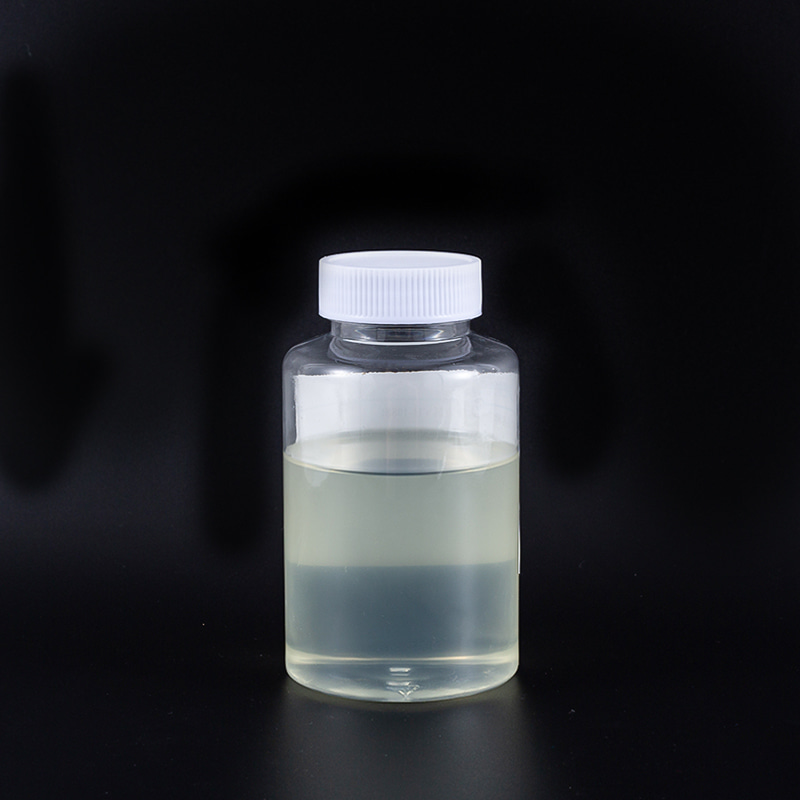 Textile Scouring and Degreasing Agent YH-1088E for PretreatmentIdeal for removing spinning oils and impurities from nylon and spandex blends, this agent ensures a clean base before dyeing, improving uniformity and fastness.View Product →
Dyeing Auxiliaries: Where Control Matters Most
Dyeing is where auxiliaries earn their keep. Leveling agents slow or regulate dye exhaustion so that color builds evenly. Acid donors keep the bath pH stable, which is essential for acid dyes on nylon and other pH-sensitive fibers. Chelating dispersants bind metal ions that would otherwise cause dull or uneven shades. Crease preventers reduce rope marks in jet dyeing machines, and lubricants protect delicate fabrics during rapid bath movement.
After dyeing, the work continues. Soaping agents remove hydrolyzed and unfixed dye from the fiber surface, while fixing agents improve resistance to washing, perspiration, and rubbing. Environmental requirements have pushed many mills toward formaldehyde-free and eco-friendly fixing systems, especially when the final article must meet strict retail standards. An eco-friendly dye-fixing mending agent can solve both fastness and shade-correction challenges in one step.
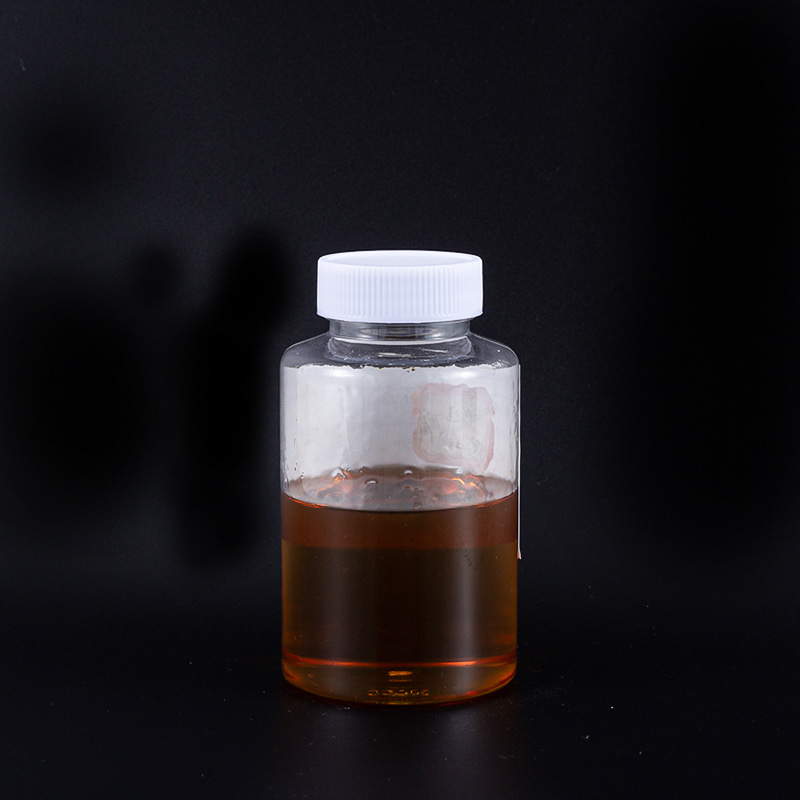 Eco-Friendly Dye Fixing Mending Agent YH-8890H for PolyesterThis multifunctional agent prevents barré defects and provides leveling during disperse dyeing, contributing to fastness and shade correction in modern mills.View Product →
Finishing Auxiliaries: Building Hand Feel and Performance
The finishing stage turns an acceptable fabric into a desirable one. Softeners control drape and hand feel, antistatic agents reduce static in synthetic fabrics, and raising or sueding agents help create brushed and napped surfaces. Water repellents, hydrophilic agents, and moisture-wicking finishes add performance benefits that consumers notice immediately.
Because finishes work at the surface of the fiber, the choice of chemistry matters as much as the application method. A fluorinated water repellent behaves differently from a fluorine-free one, and a silicone softener is not always the right answer for a fabric that must be breathable or easily wettable. Experienced finishers build a recipe by testing, not by guessing.
Functional Textile Auxiliaries: Moving Beyond Comfort
Beyond conventional finishing, functional textile auxiliaries chemicals are becoming a standard part of product development. Antibacterial agents are used in sportswear and medical textiles; flame retardants are essential for protective clothing; anti-mildew products protect outdoor fabrics during storage; and UV protectors are increasingly specified in summer apparel and automotive interiors. These finishes are often invisible but measurable, so their application has to be precise.
At our facility, we see more brands asking for multifunctional finishes that combine comfort with protection. The shift is not only toward performance but toward chemistry that can pass restricted substance testing and sustainability audits. A UV protection booster is one example of a finish that is no longer considered an extra, but a necessary specification for certain end uses.
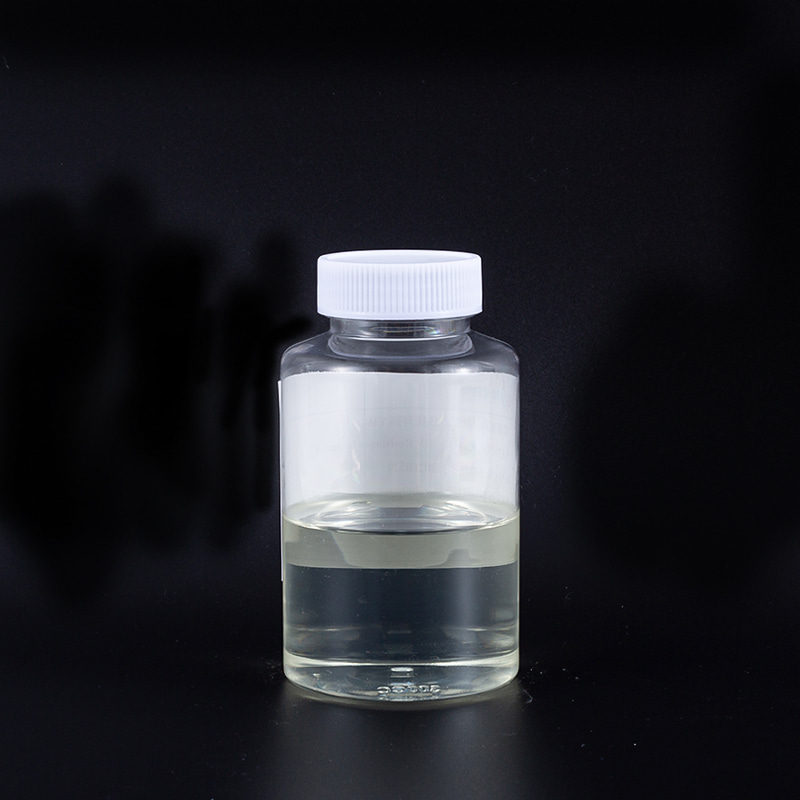 UV Protection Booster YH-UV for Functional FinishingAddressing light fastness with stable nano dispersion, this booster offers durable UV shielding for all fibers, meeting growing demand for protective and sustainable finishes.View Product →
Choosing the Right Textile Auxiliaries Chemicals
Choosing the right auxiliaries is rarely a question of finding one universal product. The most reliable way is to work backward from the process and the fabric. Consider the fiber type, dye class, machinery, water hardness, and target fabric performance. Then look at the auxiliary's compatibility with other products in the bath, its effect on shade, foam, and odor, and its compliance with customer restricted substance lists.
- Fiber type and substrate sensitivity
- Dye class and application process
- Machine type and operating conditions
- Regulatory and eco-label requirements
- Supplier technical support and batch consistency
Batch consistency is another factor that mills sometimes overlook. A stable auxiliary formula should produce the same result from batch to batch, season to season. That is why suppliers need to control not only formulation but also raw material sourcing and quality checks.
Sustainability and Chemical Management
Sustainability is no longer a separate topic in the textile chemical industry. Brands and retailers are asking their suppliers to manage chemicals throughout the supply chain, and programs such as ZDHC provide a common framework for safer chemical management. Many mills are replacing traditional products with alternatives that are free from APEO, nonylphenol ethoxylates, and other substances of concern. Fluorine-free water repellents and non-formaldehyde fixing agents are becoming practical choices in mainstream production.
We have summarized how ZDHC is shaping the industry in a recent article on chemical management in the textile supply chain.
Final Thoughts
Textile auxiliaries chemicals may be a small part of the bill of materials, but they have an outsized influence on productivity, quality, and compliance. A well-chosen recipe shortens processing time, reduces re-dyeing, and improves the fabric's value. Just as important, working with a supplier that understands both organic synthesis and textile processing makes troubleshooting much simpler when something goes wrong.
At Shanghai Yuanhong Industrial, we continue to build our YH series around these practical needs. Whether the goal is a cleaner pretreatment, a more reliable dyeing process, or a finishing effect that consumers can feel, the right auxiliaries make the difference.
-

4th Floor, Building A, Zhifu Building, No. 959 Qingfeng North Road, Tongxiang City, Jiaxing City, Zhejiang Province, China
-

135049973@qq.com
-

+86-13774367399
+86-19818384913

Products
Get In Touch
If you have any questions about our products, please feel free to contact us.
Copyright © Shanghai Yuanhong Industrial Co., Ltd. All Rights Reserved
Wholesale Textile Auxiliaries Chemicals Manufacturers
